
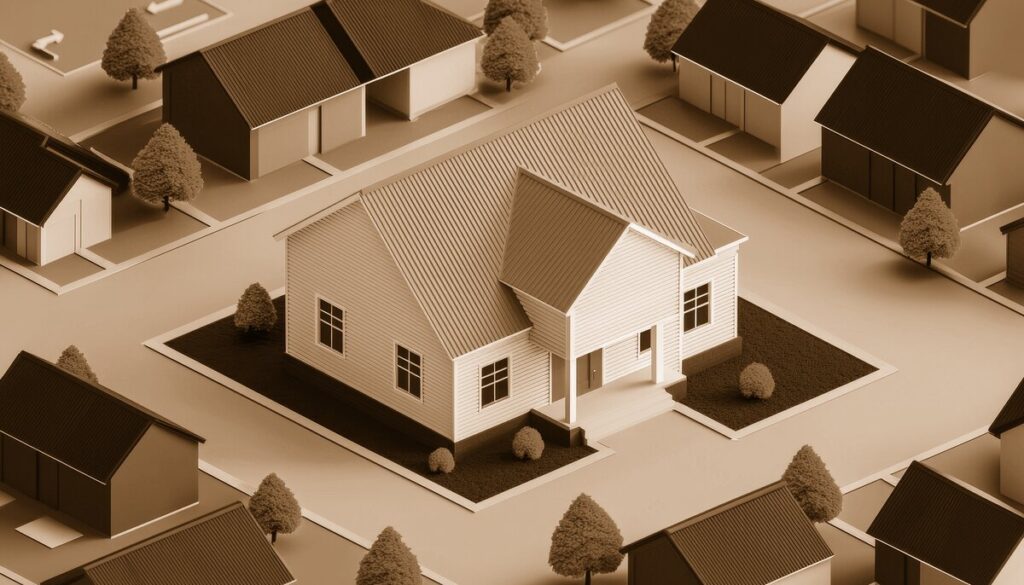
Nestled along the shimmering sands of the Atlantic, the Lauderdale Beach neighborhood stands as one of Fort Lauderdale’s most cherished enclaves. Its sun-kissed streets, lined with historic houses and swaying palms, whisper the stories of yesteryear — tales of visionaries, community spirit, and the enduring draw of the sea. To stroll down Atlantic Boulevard or drift past NE 33rd Avenue is to take a step back in time while simultaneously embracing the relaxed lifestyle that defines today’s Lauderdale Beach.
Origins: From Untamed Shoreline to Coastal Haven
Long before elegant homes graced its beachfront and the sound of laughter echoed from waterfront patios, Lauderdale Beach was a wild stretch of dunes and coastal scrub. In the early 20th century, as Fort Lauderdale itself was finding its footing as a city (incorporated in 1911), this area remained relatively remote, accessed by sandy tracks that challenged even the sturdiest of automobiles.
The neighborhood’s name, “Lauderdale Beach,” is a nod both to its proximity to the central city and its unmistakable frontage on the Atlantic. The name evokes its southern neighbor, Fort Lauderdale Beach, but also hints at a quieter, more residential character — one prized by those who sought beachfront living without the hustle and bustle of downtown.
Key Milestones in Lauderdale Beach’s Growth
- 1920s and 1930s: The Boom Years
It was only in the 1920s, as the South Florida land boom surged, that developers began to take a keen interest in the area east of the Intracoastal. Early visionaries mapped out a neighborhood between NE 16th Court and NE 23rd Street, bordered by the Atlantic to the east and the Intracoastal to the west. The grid of streets — including NE 18th Street, NE 20th Street, and the scenic Atlantic Boulevard — took shape, with plots marketed as prime “oceanfront homesites.”
The Great Depression halted some plans, but those who managed to build during these decades created the backbone of what would become Lauderdale Beach: small cottages and Mediterranean Revival homes designed to withstand the salty breeze.
- Mid-20th Century: A Community Flourishes
World War II brought change to South Florida, with servicemen discovering the area’s balmy climate and returning to buy property after the war. Lauderdale Beach’s residential feel deepened, with post-war bungalows, ranch-style homes, and the occasional mid-century modern dwelling joining its architectural landscape. The neighborhood remained slightly off the beaten path, coveted for its walkability and tight-knit community while being minutes away from the bustling activity of Las Olas Boulevard.
Notable Landmarks and Institutions
Lauderdale Beach may lack the touristy trappings of larger neighborhoods, but its charm lies in its understated landmarks and hidden gems that locals hold dear:
- Vista Park
At the heart of the neighborhood (near NE 20th Avenue and east of North Atlantic Boulevard), Vista Park offers sweeping ocean views, shady trees, and a place for neighbors to gather. It’s a green oasis set against the endless blue — a beloved spot for picnics, sunrise yoga, or simply watching the waves roll in.
- Architectural Treasures
Scattered along streets like NE 33rd Avenue and NE 21st Street, you’ll find beautiful examples of early Fort Lauderdale architecture. Mediterranean Revival homes, whitewashed with red tile roofs, and streamlined mid-century properties tell the story of changing tastes over the decades. Some newer builds echo these designs, blending tradition with modern luxury.
- The Lauderdale Beach Hotel (Historic Reference)
Once an iconic oceanfront destination (now gone, but remembered fondly), the Lauderdale Beach Hotel was emblematic of the area’s early hospitality industry. For many, it symbolized the transition from a sleepy stretch of sand to a sought-after destination.
Evolution Through the Decades
Lauderdale Beach’s evolution is a mirror of Fort Lauderdale’s own — from humble outpost to international destination, all while retaining a fierce pride in local identity. The postwar years saw a boom in homebuilding, with families moving in for the allure of private beach access and the friendly, neighborly atmosphere. By the late 20th century, as nearby neighborhoods filled with high-rises and hotels, residents of Lauderdale Beach doubled down on preserving their tranquil, residential vibe.
- Preservation and Progress
While nearby Fort Lauderdale Beach welcomed large-scale development, Lauderdale Beach purposely kept building heights lower and the pace of change slower. Today, you’ll still find a rare mix of original cottages and tasteful new builds, thanks to strict zoning that protects the neighborhood’s unique atmosphere.
- Modern Lifestyle
Modern Lauderdale Beach remains committed to community values. Annual block parties, ocean clean-ups, and impromptu volleyball matches foster a sense of belonging that’s hard to match. And, with direct public access at places like NE 16th Place, everyone can dip their toes in the surf.
What Makes Lauderdale Beach Special Today
Ask any longtime resident or new arrival, and they’ll describe Lauderdale Beach in similar terms: peaceful, friendly, and a true slice of “Old Florida.” Here, neighbors know each other by name and greet sunrise joggers with a wave.
- Walkable and Close to Everything
With the sand steps from nearly every front door and the shops and cafés of Oakland Park Boulevard nearby, residents have it all within arm’s reach — without ever feeling crowded.
- Protected Natural Beauty
Mature sea grapes, swaying palms, and meticulously preserved dunes define the streetscape. Everyday life is set to the soundtrack of crashing waves and the rustle of the breeze.
- A Neighborhood with Heart
Throughout the decades, change has come slowly and thoughtfully. No matter the era, Lauderdale Beach’s greatest asset is its residents — people who cherish history as much as they prize stunning ocean sunrises.
Conclusion
Lauderdale Beach is more than a beautiful beachfront neighborhood. It's a living tapestry woven from history, tradition, and the shared dreams of generations. Whether you’re wandering past the Mediterranean facades of NE 33rd Avenue or watching children play at Vista Park, you’re part of a legacy that began over a century ago — one grounded in community, connection, and the timeless appeal of the sea.